Munchen to Munchen
Weather
Road trip
- private DOCS ta.dm
Riika
Riika - Kaunas
- “Jelgava (saks. Mitau, ven. Елгава / Митава, puol. Mitawa) on kaupunki Keski-Latviassa Lielupejoen varrella noin 45 km lounaaseen Riiasta.”
- Šiauliai on Liettuan neljänneksi suurin kaupunki, jonka asukasluku vuonna 2011 oli 109 328 asukasta: “Šiauliain rakennuksista tuhottiin Ensimmäisen ja toisen maailmansodan aikana noin 85 prosenttia”
Liettua
- autolla Liettuassa
- Rantapallo
- palosammutin
Kaunas
Kaunas is the second-largest city in Lithuania and one of the country’s most important cultural and historical centers. Located at the meeting point of the Nemunas and Neris rivers, the city is known for its blend of medieval architecture, interwar modernism, and lively student atmosphere. During the interwar period, Kaunas served as the temporary capital of Lithuania, which led to rapid cultural and architectural development that still shapes the city today. Its Old Town features cobblestone streets, historic churches, and landmarks such as Kaunas Castle and Town Hall Square.
Today, Kaunas is a vibrant and modern city with a strong focus on education, arts, and innovation. The city is home to several universities, museums, galleries, and annual cultural events that attract both locals and tourists. In recent years, Kaunas has gained international recognition for its modernist architecture and creative urban projects, helping it become an increasingly popular destination in the Baltic region. Visitors often enjoy its green parks, riverside walks, and growing café and restaurant scene, which together create a welcoming and dynamic atmosphere.
- Kaunas Castle A medieval castle located where the Nemunas and Neris rivers meet. It is one of the oldest landmarks in the city and offers scenic views and historical exhibitions.
- Laisvės Alėja The main pedestrian street of Kaunas, lined with cafés, restaurants, shops, and historic architecture. Perfect for walking and experiencing the city atmosphere.
- Ninth Fort A historical fort and museum that commemorates tragic events from World War II and Soviet occupation. Known for its striking memorial and educational exhibits.
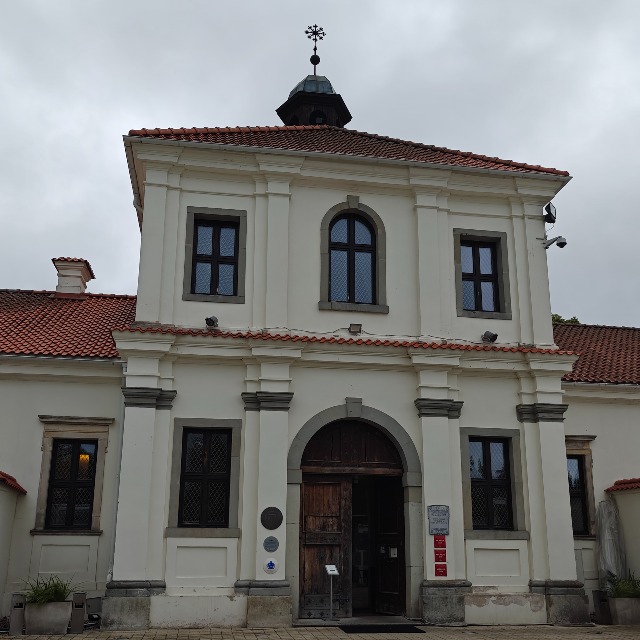
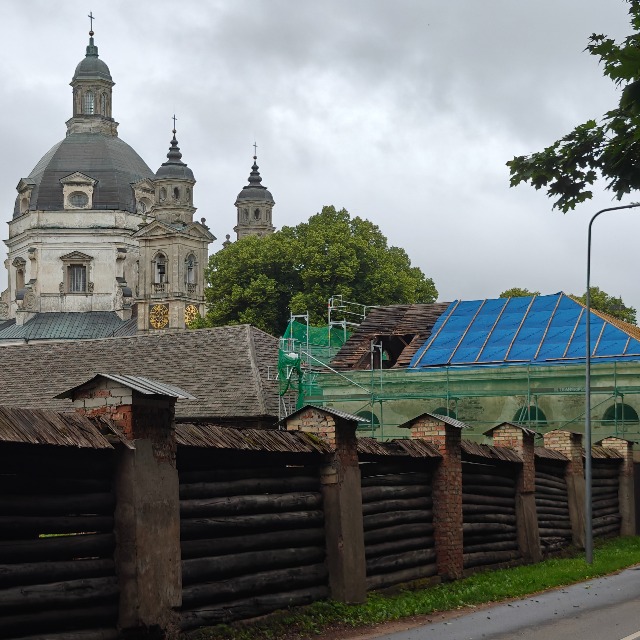
- Pažaislis-luostari
Fishing - kalastus
“Kaunas tarjoaa erinomaiset kalastusmahdollisuudet, erityisesti Kaunasin tekojärvellä (Kauno marios) ja Nemunas-joella, joista voi pyydystää lahnaa, karppia, kuhaa, haukea ja jopa suurta monnia. Kalastus vaatii yleensä luvan, jonka voi ostaa Perlas-päätteiltä tai verkosta.” [Gemini], Lithunia fishing
Top 3 Places to See in Olsztyn
- State of the Teutonic Order
-
Olsztyn Castle (Castle of the Warmian Chapter)
This medieval castle is the city’s most important historical landmark. It once housed Nicolaus Copernicus and now serves as a museum with exhibits on regional history. -
Old Town of Olsztyn
A charming historic district with cobbled streets, the High Gate, and colorful buildings. It’s the cultural heart of the city with cafés, shops, and local atmosphere. -
Lake Ukiel
A large and popular recreational lake offering beaches, walking paths, water sports, and scenic relaxation spots just a short distance from the city center.
Top 3 Places to See in Elbląg
-
Elbląg Old Town
The reconstructed Old Town features canals, modern interpretations of historic architecture, and riverside walking paths. It reflects the city’s medieval Hanseatic heritage. -
St. Nicholas Cathedral
A Gothic-style church with a tall viewing tower offering panoramic views over the city and surrounding region. -
Elbląg Canal (Kanał Elbląski)
A unique 19th-century engineering marvel where ships are transported overland on rails between different water levels, one of the most unusual waterways in Europe.
Top 3 Places to See in Gdańsk
-
Old Town (Main Town Hall & Long Market)
The historic heart of :contentReference[oaicite:0]{index=0}, featuring colorful merchant houses, fountains, and landmarks like the Main Town Hall along the Long Market (Długi Targ). -
St. Mary’s Church
:contentReference[oaicite:1]{index=1} — One of the largest brick churches in the world, offering a vast interior and a tower with panoramic views of the city. -
Westerplatte
:contentReference[oaicite:2]{index=2} — A historic peninsula where World War II began, now a memorial site with monuments and open-air exhibits.
Sopot
- “Puolassa sijaitseva Sopot on paitsi maan suosituimpia rantakohteita, myös helppo päiväretki Gdanskista.” Rantapallo
- Krzywy Domek
- Euroopan pisin laituri: 511,5 metriä pitkä
Top 3 Places to See in Lębork
-
Lębork City Walls (Medieval Fortifications)
In :contentReference[oaicite:0]{index=0}, remnants of the medieval defensive walls are among the city’s most important historical attractions, reflecting its Hanseatic past. -
St. James Church
:contentReference[oaicite:1]{index=1} — A Gothic brick church dating back to the Middle Ages, known for its tall tower and historic interior details. -
Łeba River Embankments
Scenic riverside areas along the Łeba River offering walking paths, green spaces, and a peaceful atmosphere close to the city center.
Top 3 Places to See in Słupsk
-
Słupsk Old Town & Town Hall
In :contentReference[oaicite:0]{index=0}, the Old Town features colorful historic buildings, with the neo-Gothic Town Hall as its centerpiece. The square is a lively cultural and social hub. -
Castle of the Pomeranian Dukes
:contentReference[oaicite:1]{index=1} — A Renaissance-era castle that now houses the Museum of Central Pomerania, including art and historical exhibitions. -
St. Mary’s Church (Kościół Mariacki)
:contentReference[oaicite:2]{index=2} — A Gothic brick church known for its tall tower and famous collection of works by the artist Witkacy.
Koszalin
Top 3 Places to See in Koszalin
-
Koszalin Cathedral (St. Mary’s Cathedral)
In :contentReference[oaicite:0]{index=0}, this Gothic cathedral is one of the city’s most important landmarks, known for its tall tower and striking stained-glass windows. -
Park of the Pomeranian Dukes (Park Książąt Pomorskich)
A large green space in the city center featuring walking paths, monuments, fountains, and cultural venues, ideal for relaxing and exploring. -
Góra Chełmska (Chełmska Hill)
:contentReference[oaicite:1]{index=1} — A popular pilgrimage and viewpoint site offering panoramic views of the region, along with a sanctuary and observation tower.
Top 3 Places to See in Szczecin
- Panun matkat 2010
- The Best of Szczecin
- Mieczysław Karłowicz Philharmonic in Szczecin
-
Pomeranian Dukes’ Castle
A Renaissance castle that once served as the residence of the dukes of Pomerania. Today it hosts exhibitions, concerts, and cultural events. -
Wały Chrobrego (Chrobry Embankment)
A scenic riverside promenade with impressive architecture, museums, and panoramic views over the Oder River. -
St. James Cathedral
One of the tallest churches in Poland, known for its Gothic architecture and observation tower offering views across the city.
Top 3 Places to See in Poznań
-
Old Market Square (Stary Rynek)
In :contentReference[oaicite:0]{index=0}, this is one of the most beautiful squares in Poland, surrounded by colorful merchant houses, cafés, and the historic Town Hall famous for its mechanical goats. -
Imperial Castle (Zamek Cesarski)
:contentReference[oaicite:1]{index=1} — A former residence built for Kaiser Wilhelm II, now a cultural center hosting exhibitions, theaters, and events. -
Cathedral Island (Ostrów Tumski)
:contentReference[oaicite:2]{index=2} — The oldest part of Poznań, featuring the Archcathedral Basilica of St. Peter and St. Paul, an important site in Poland’s early history.
Rostock
- Gedser Rostockiin Lautta
- 9 Best Things to Do in Rostock
- Warnemunde Beach
- Shipbuilding and Maritime Museum
Top 3 Places to See in Rostock
-
Historic Old Town (Neuer Markt)
The central square of :contentReference[oaicite:0]{index=0}, surrounded by colorful gabled buildings, the Town Hall, and lively cafés. It’s the best place to start exploring the city’s Hanseatic heritage. -
St. Mary’s Church (Marienkirche)
:contentReference[oaicite:1]{index=1} — A striking Gothic church known for its massive astronomical clock dating back to the 15th century and its impressive brick architecture. -
Warnemünde Beach & Lighthouse
:contentReference[oaicite:2]{index=2} — A popular seaside district of Rostock featuring a wide sandy beach, a scenic promenade, and a historic lighthouse overlooking the Baltic Sea.
Denmark
Copenhagen
Sweden
route A
- Malmö
- Kristianstad
- Karlskrona
- Kalmar
- Öland
- Gemini: “Öölantiin on helppo matkustaa autolla Suomesta. Pääset saarelle mantereelta Kalmarin kaupungista lähtevää maksutonta Öölannin siltaa (Ölandsbron) pitkin, joka on noin kuusi kilometriä pitkä.”
- Öland
Alternative Turku - Copenhagen
Viking Line
Turku - Tukholma 8:45-18:55 (Viking Glory 11h) ja 20:55-06:30 (Viking Grace)
Helsinki - Tukholma 18:10 - 10:00
Tukholma - Turku 07:45 19:50 ja 20:00-07:35
Tukholma - Helsinki 16:00-09:15
Stockholm - Copenhagen
- Öland
- Göteborg
Copenhagen - Gdansk
- Copenhagen-Prora: Maps-reitti: 5h23min 357km
- Gedser-Rostock
- Prora
- Prora-Swinoujscie Maps-reitti: 2h20min 149km
- Gdynia-Kaunas
Electric Car - recharging and parking
- Easypark Go: parking at Sweden (30 days subscription 260624)
- Park ReCharge: (Vann) app
- ChargeNode app (Halmstad)
- Oresundlinjen (ferry): Helsinbgorg to Helsingor
- online ticket cheaper, arrive at least 20 min before departure time (I had 22 min). Note there can be traffic near port (MAPS)
- Elocity (Sopot) app
- Charging Gp (poland) app
- Ignitis On, latvia app
- Elektrum Drive app (Latvia)
Sopot, Gnynia, Gdansk
- Jakdojade.pl public transport and trains
- e.g. Gnynia to Sopot SKM-S1 APP. Google Pay, tickets on APP.
Drone
- Sweden MAP LFV
- Denmark Dronezoner
- Poland PANSA
Stories
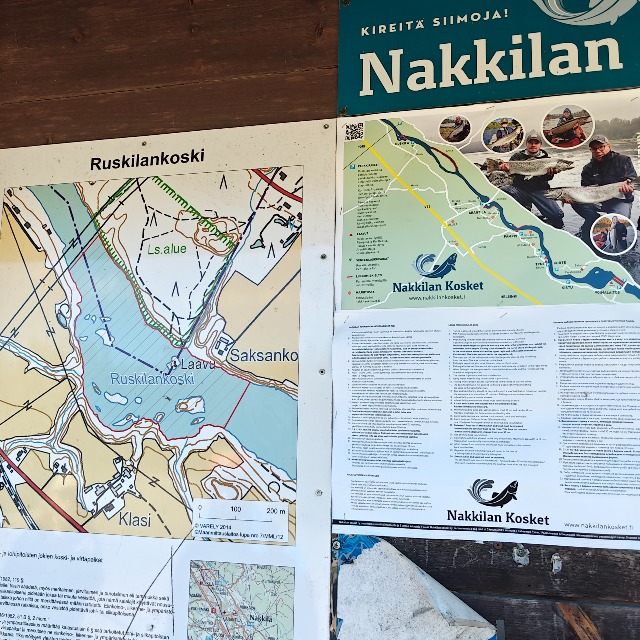
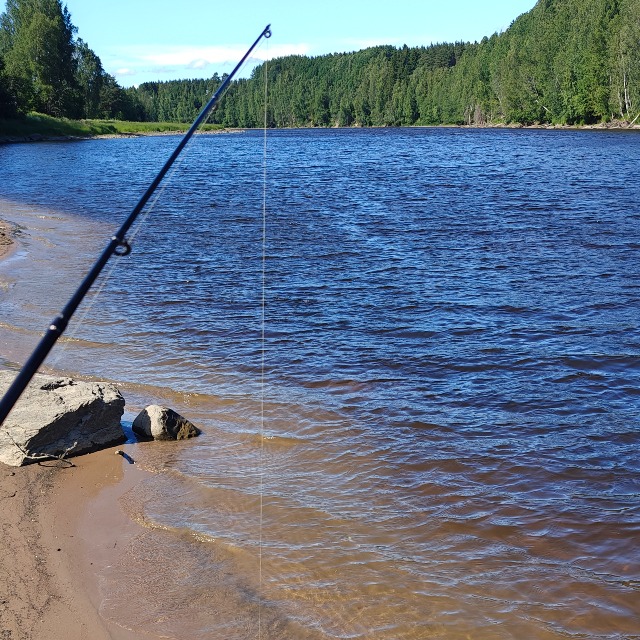
Nakkilassa kalastuslupa Nakkilan koskille K-kaupasta
- nolla, 4, nolla(a) ..
- no ei varmasti ole
- no on.
- ei varmasti ole neljää nollaa
- onhan
- no ei ole
- no niin siis 0, 4, 0
Links
- Google Maps
- stuff - take with you, privata ta.dm
- general summer plans, private ta.dm
- rooffighter game
Pics
Bålsta
- sp driving 1: ok
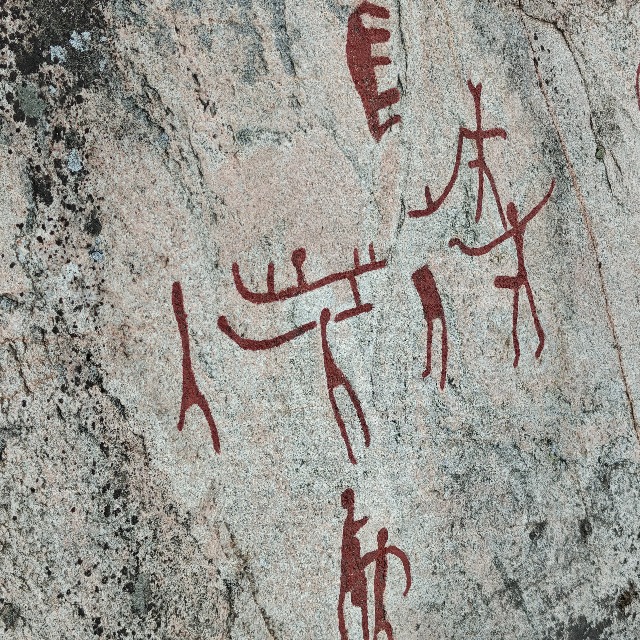
- Häljesta Petroglyphs (Västerås)
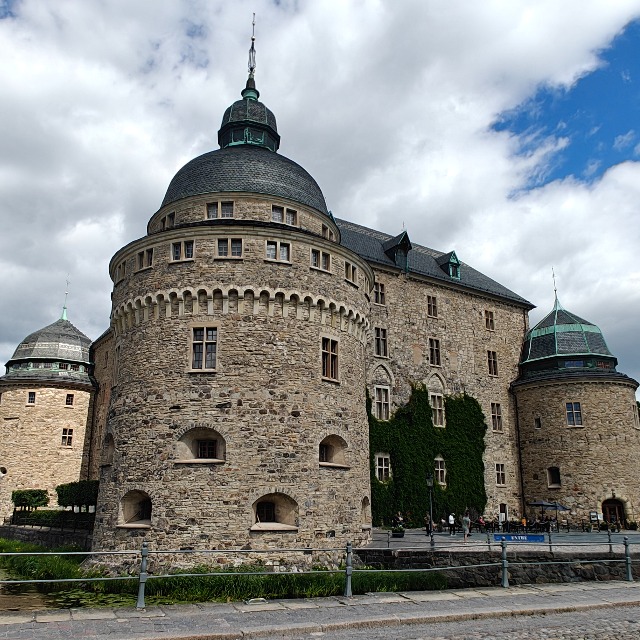
Örebro
Vann SPA
- Brastad ICA “Jag besökte butiken för att lämna tillbaka flaskor och köpa lösgodis, men flaskautomaten var trasig. Jag kunde inte lämna tillbaka mina flaskor och var tvungen att ta med dem hem igen. Det gjorde mitt besök onödigt besvärligt.”
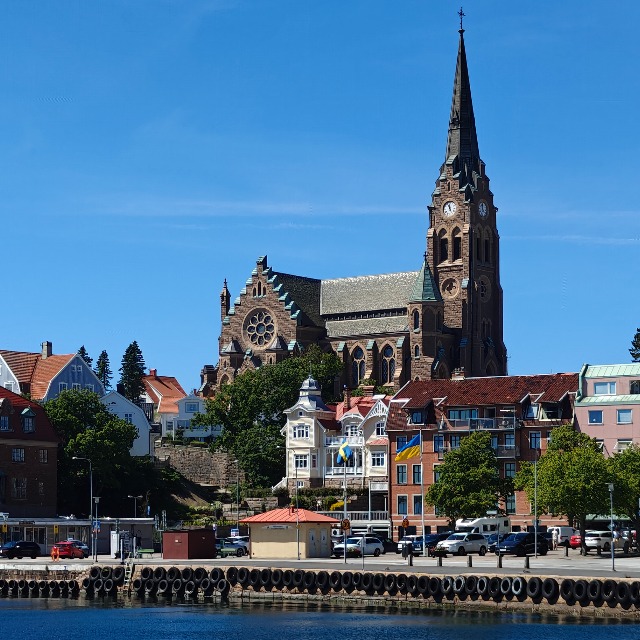
Lysekil, Sweden
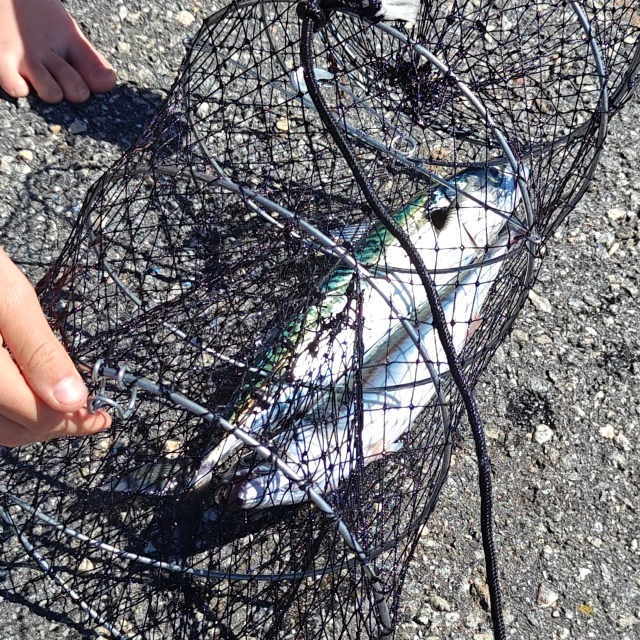
Makrillen anländer i maj: Under vintern uppehåller sig makrillen på stora djup uppe vid Island, men någon gång i maj brukar de första rapporterna komma om att makrillen anlänt till våra kuster. De första makrillarna hittar man ofta nära land, långt in i Bohusläns fjordar.
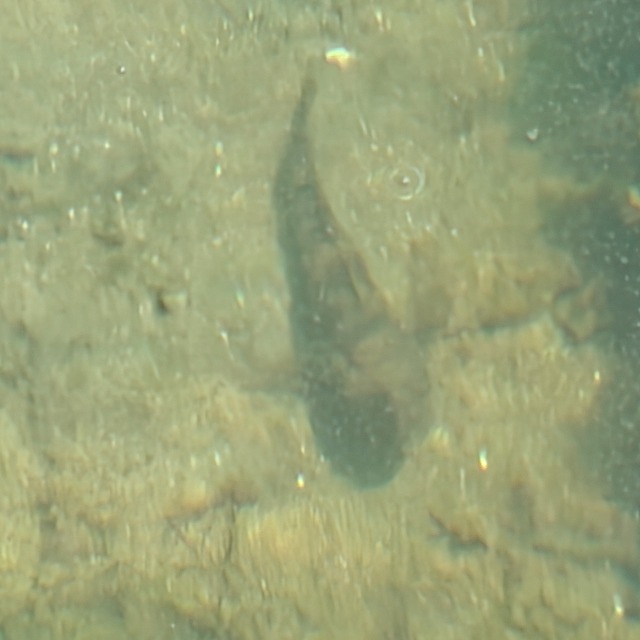
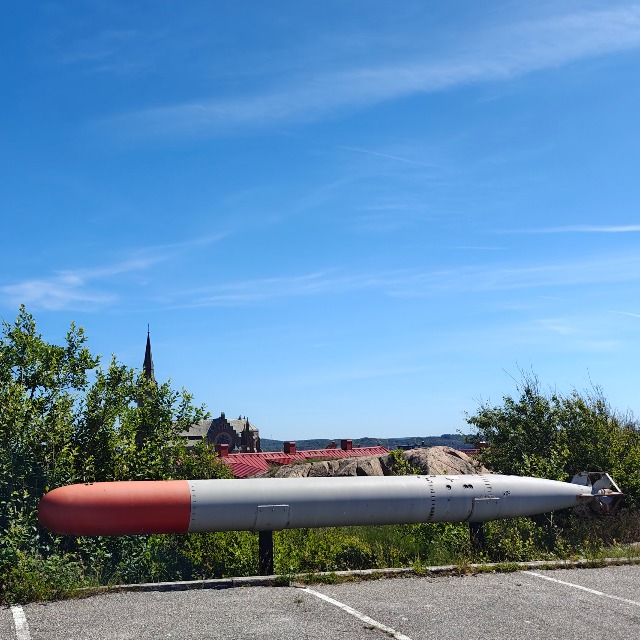
At Lysekil “Utsiktsron”
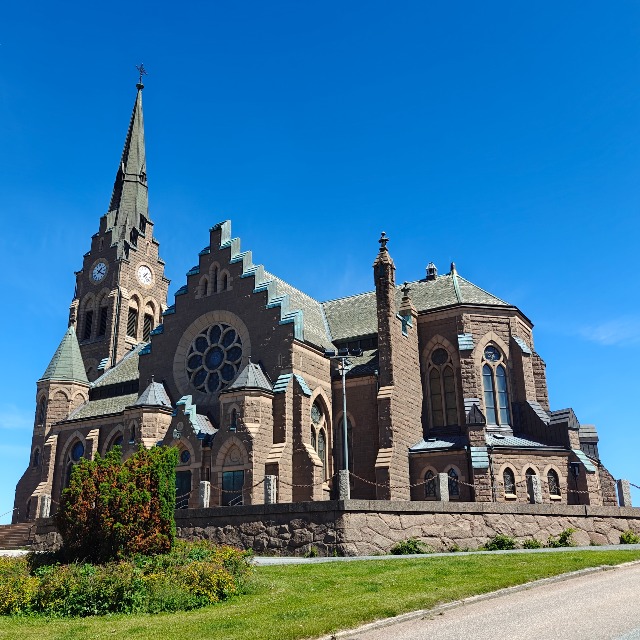
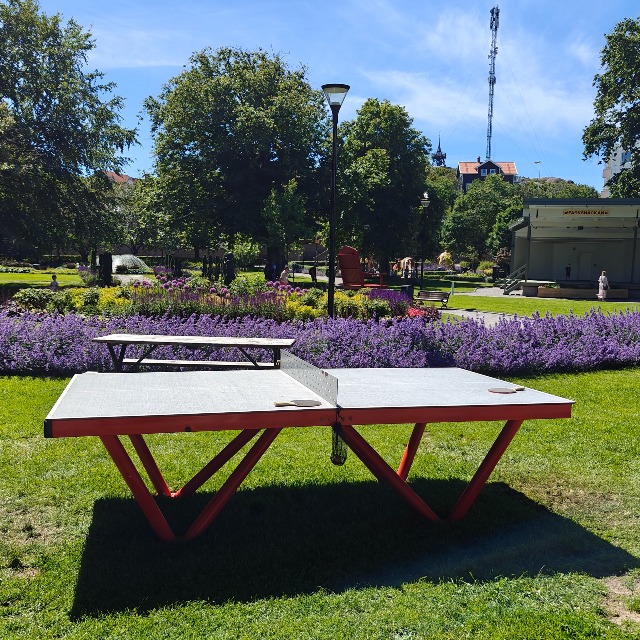
Table tennis at Lysekil park
gullmarsstrand *0 METERS FROM THE SEA
- gullmarsstrand lunch
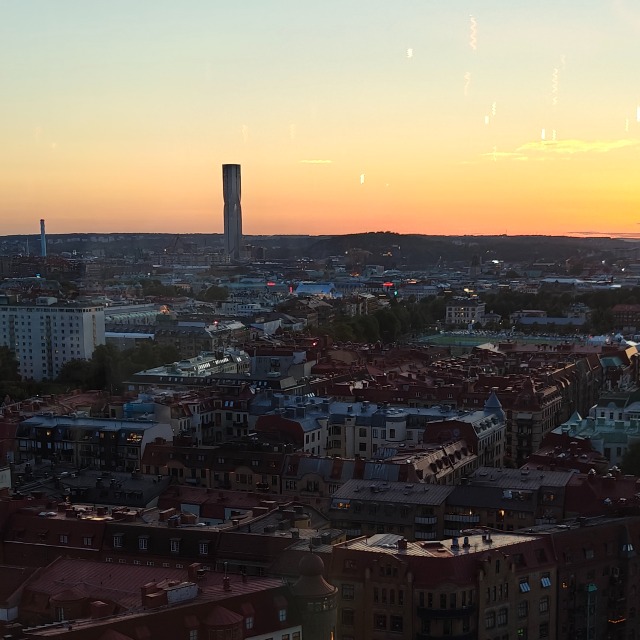
Liseberg
- 2295SEK Grand Curiosa Hotel. One ride 4 tickets -> 10e Åkkupong x10, 250SEK
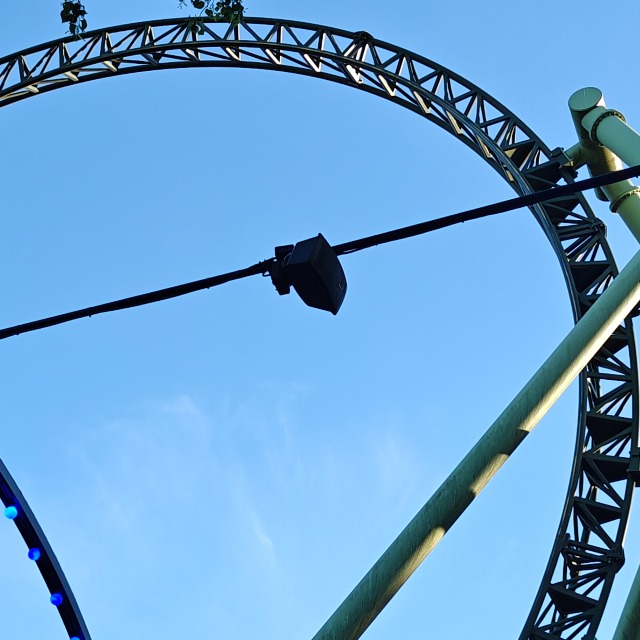
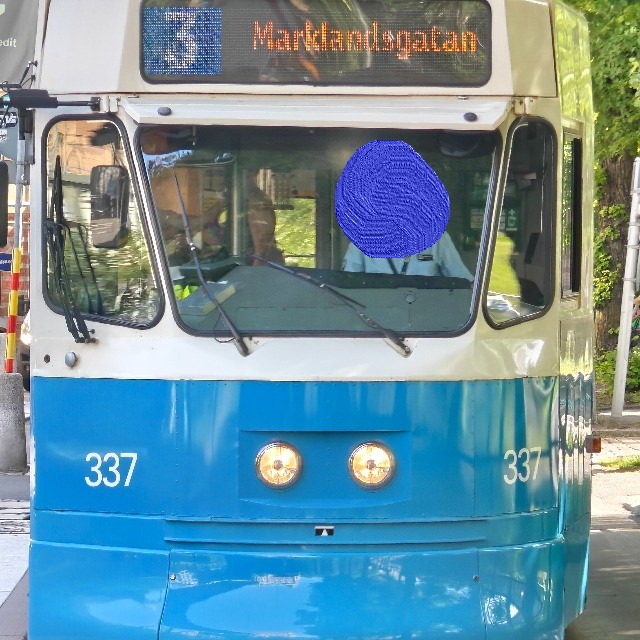
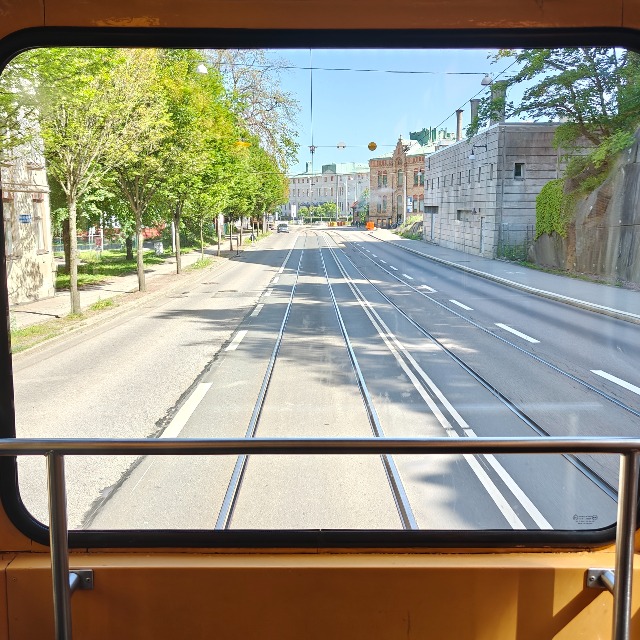
- Lisebergbanan: One of the highlights of my visit to Liseberg was this classic roller coaster, which was specially designed for the park. The track is over 1.3 kilometres long, the ride lasts just under three minutes, and the train reaches speeds of up to 80 km/h. When it opened in 1987, it was the biggest and longest roller coaster in Europe. Although it no longer holds those records, it is still one of the park’s most popular attractions. For me, it was the perfect level of excitement—fast and thrilling, but not too intense. It gave just the right amount of adrenaline and was a lot of fun from start to finish. I can definitely understand why it remains a favourite among visitors year after year.
- Easypark (kokeilujakso peruttu 260718, 4.99e/kk) - voimassa 260725 asti
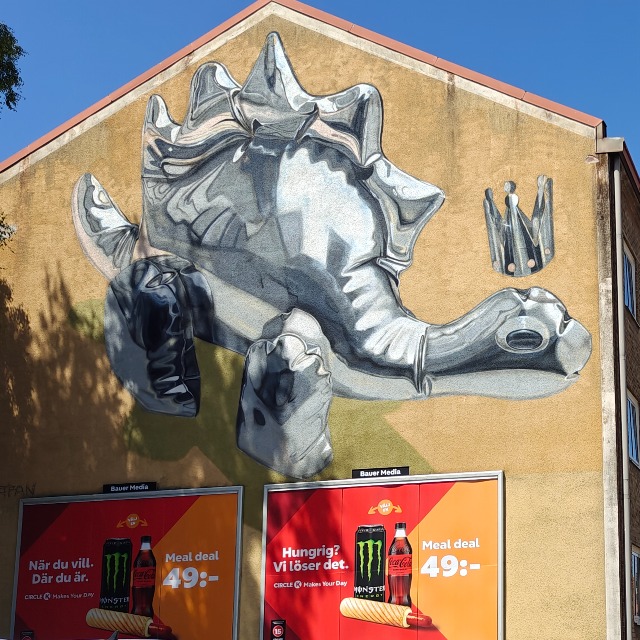
Copenhagen
- Vanløse Bistro (Dronninglundvej 10, 2720)
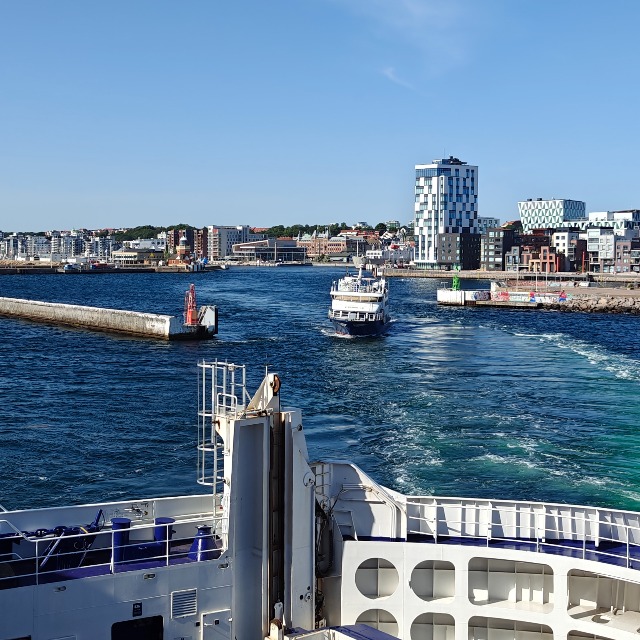
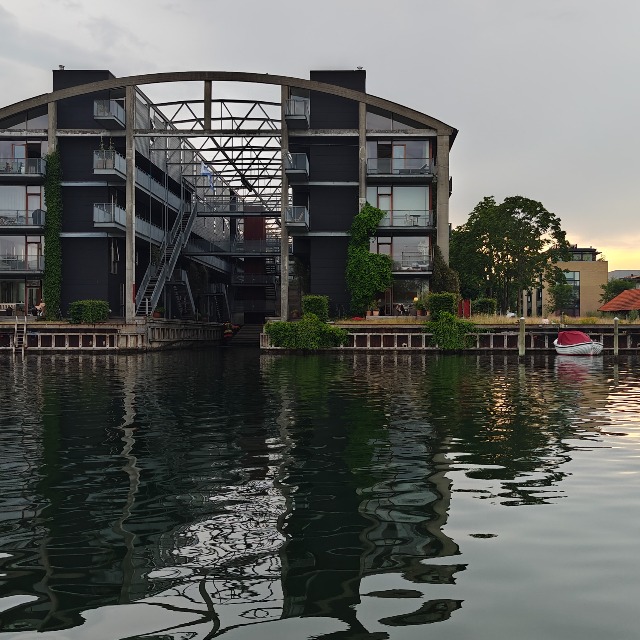
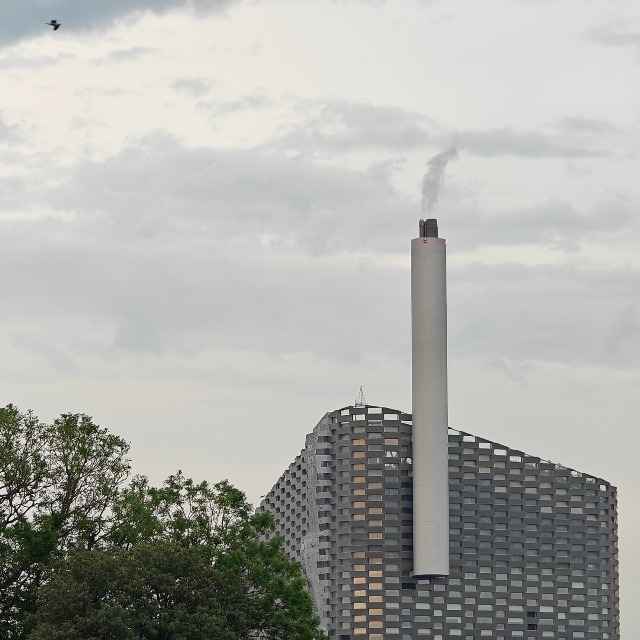
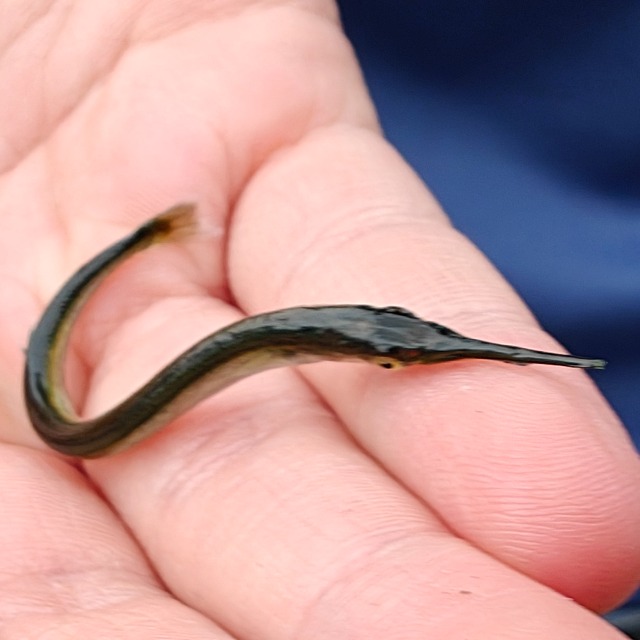
- Pikkuneula (Syngnathus rostellatus) on merineulojen (Syngnathidae) heimoon kuuluva kalalaji.
Denmark to Germany
Miedzyzdroje, Poland
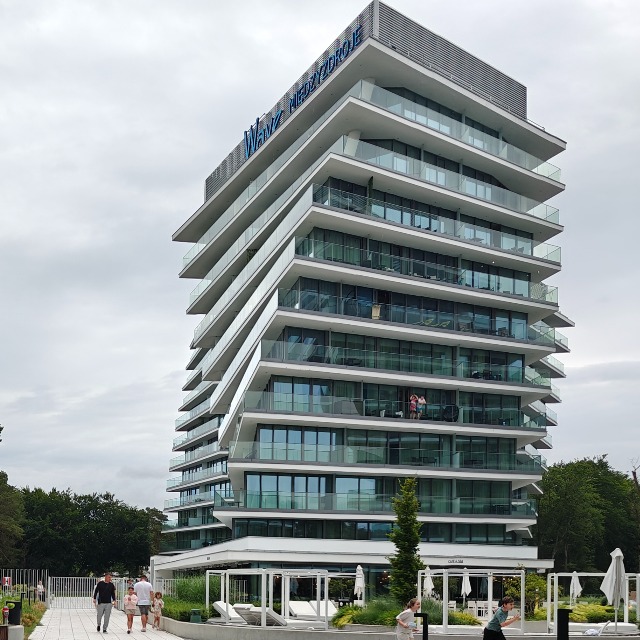
- Wave hotel
- 50e -> 207PLN
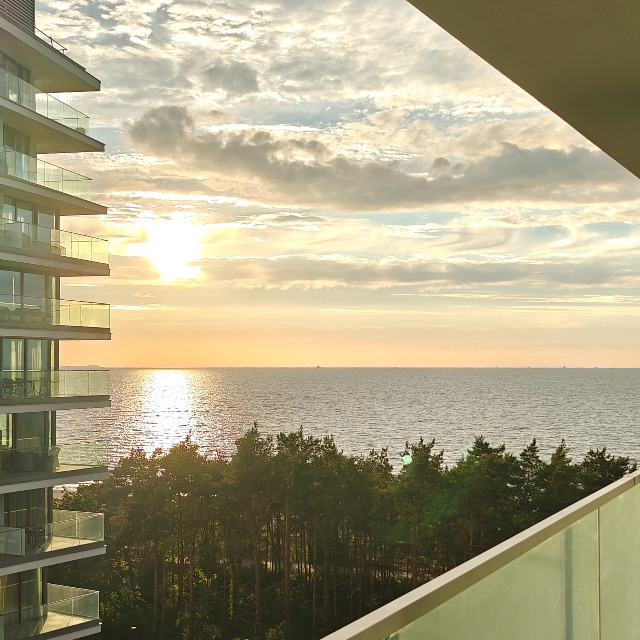
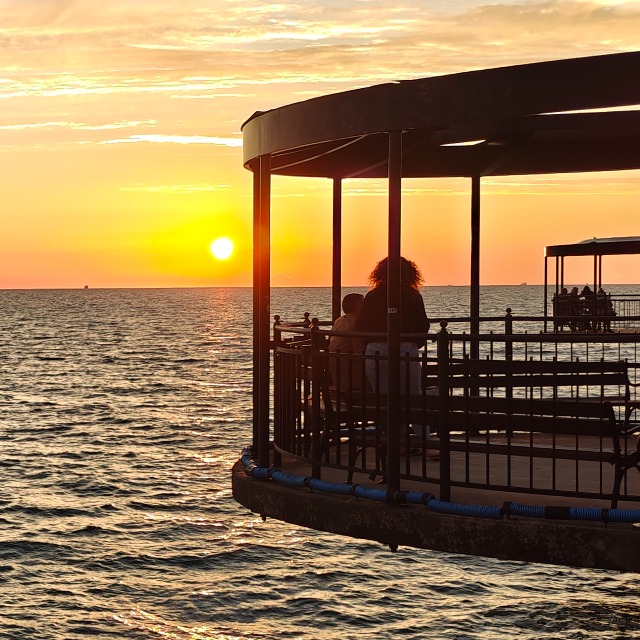
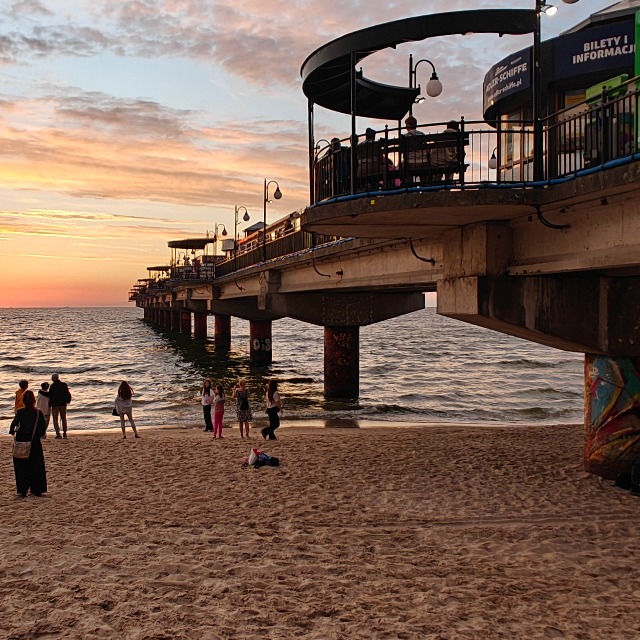
- Międzyzdrojen laituri on Puolan Itämeren rannikon pisin (395 metriä) betonirakenteinen laituri, joka toimii yhtenä kaupungin tärkeimmistä maamerkeistä
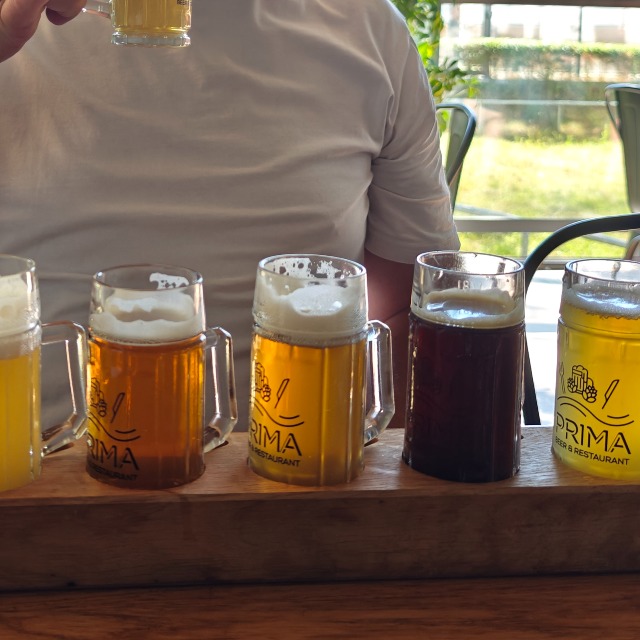
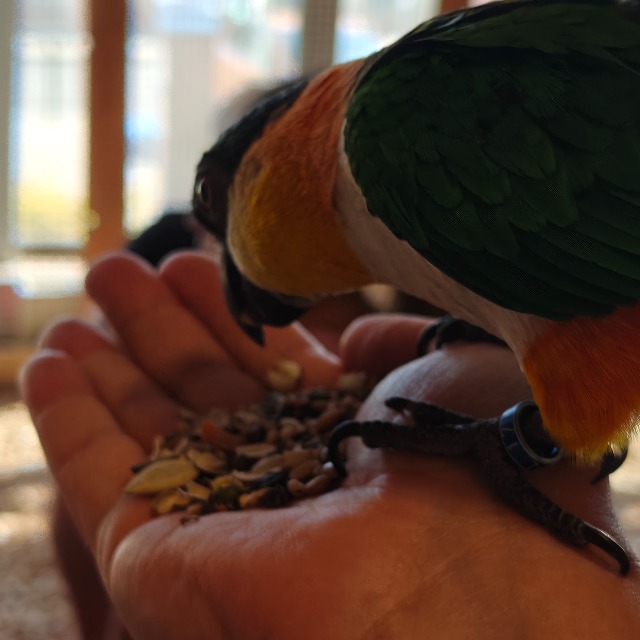
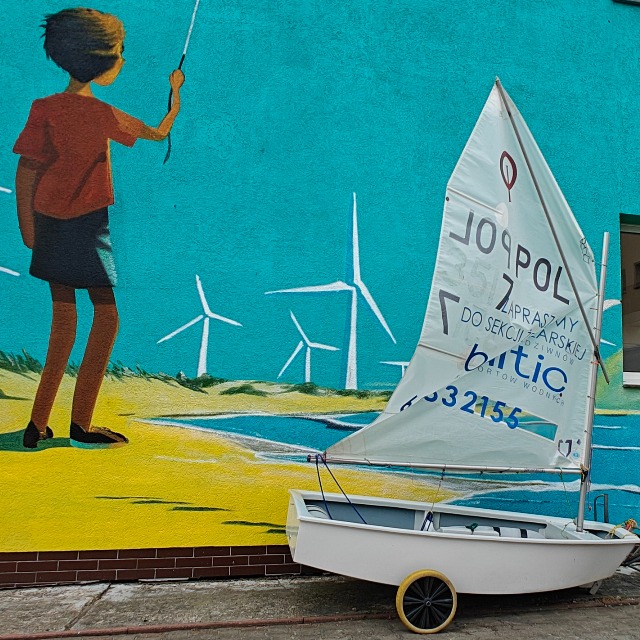
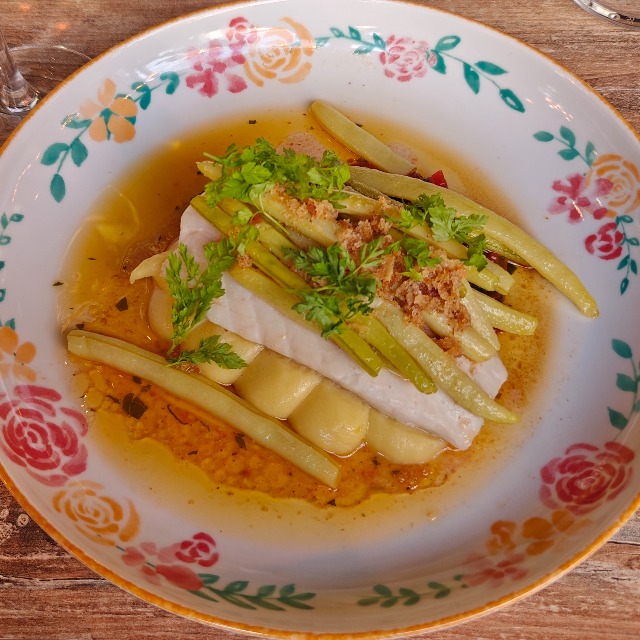
- Bolt Poland 1kk test. (peruttu 260718 ok)
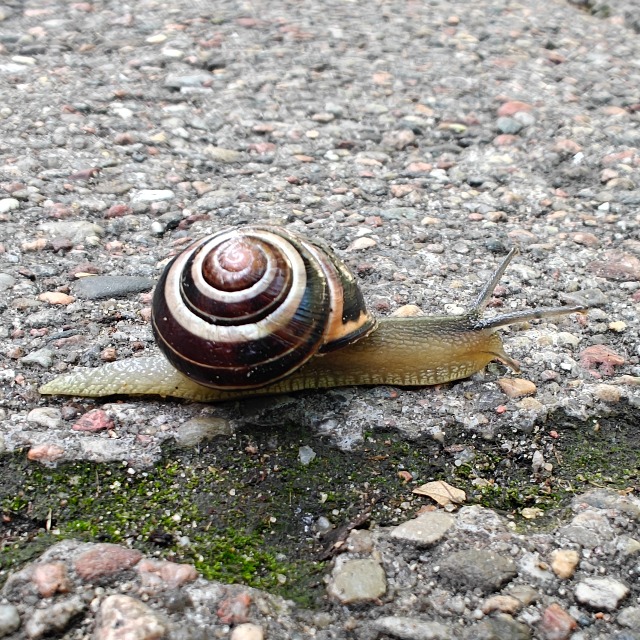
Mikolajki
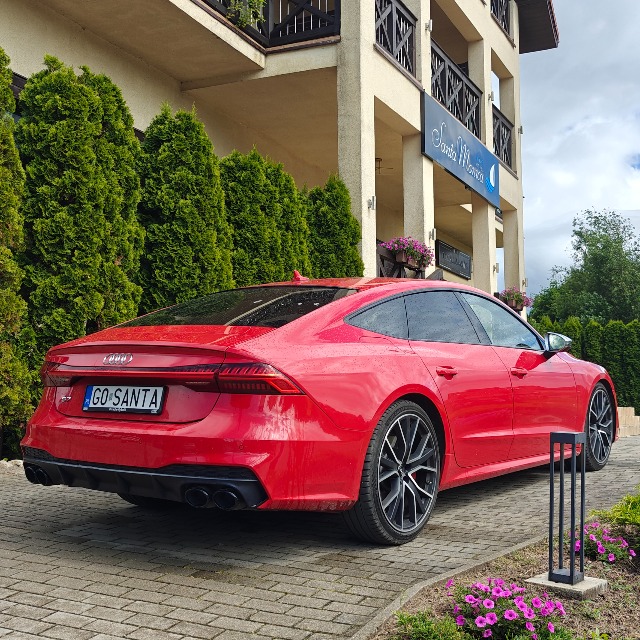
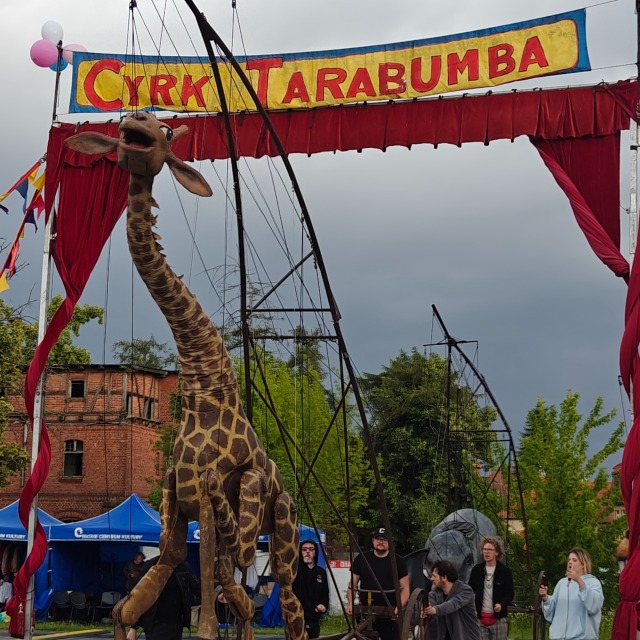
Riga, Latvia
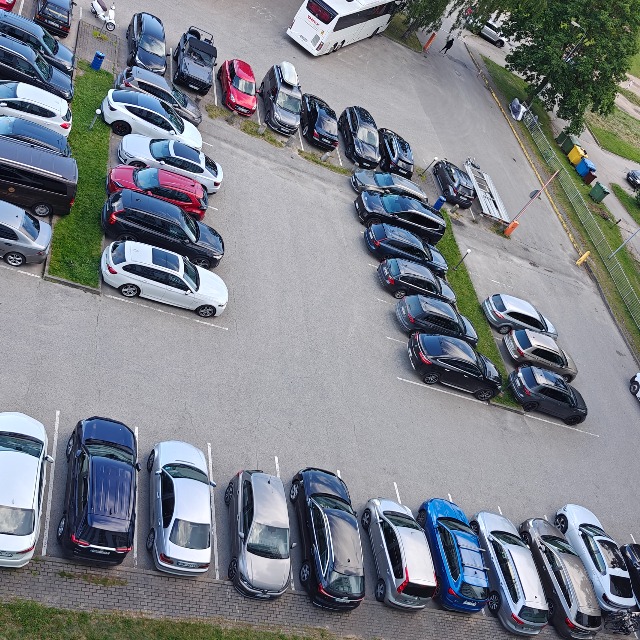
- Visited:
- Rīgas Doms (virallisesti Rīgas Doma evaņģēliski luteriskā baznīca, suomeksi usein Riian tuomiokirkko) on Latvian evankelis-luterilaisen kirkon pääkirkko ja arkkipiispan istuin Riian vanhassakaupungissa.
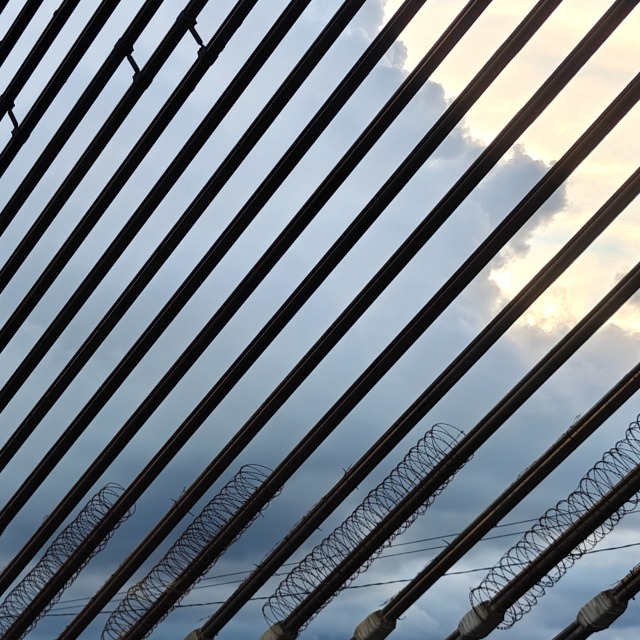
- Vuoden 1981 silta: Daugava-joen ylittävä vinoköysisilta valmistui Neuvostoliiton aikana nimellä Gorkija tilts.
- Kiipeilyvillitys: Köysille kiipeäminen oli nuorten keskuudessa suosittu mutta vaarallinen ilmiö, jota yritettiin yli 10 kertaa. Mies putosi köysistä ja menehtyi 7. kesäkuuta 2012. Heinäkuussa 2012 köysien ympärille asennettiin erikoisvalmisteisia piikkilankojenesteitä ja siltaan tuotiin ympärivuorokautinen vartiointi.
- Sillan nimi on Vanšu tilts (suomeksi Vanšu-silta tai Vinoköysisilta).
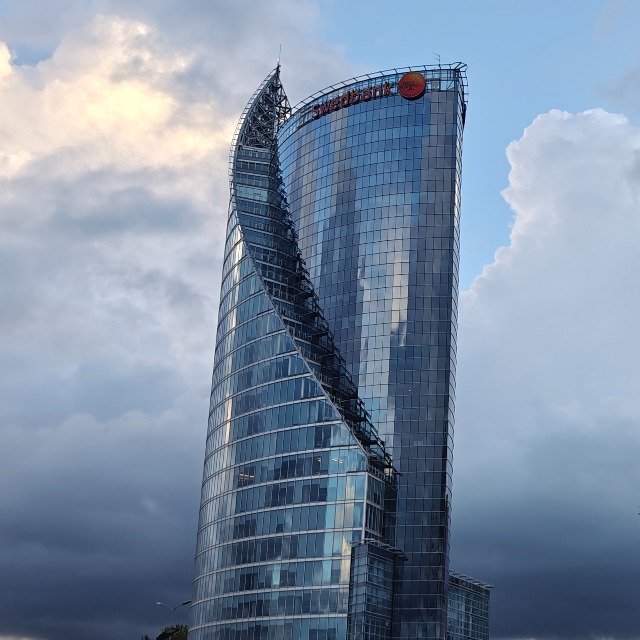
- Sillan vieressä sijaitseva suuri lasitalo on Swedbankin pääkonttori (tunnetaan myös nimellä Saules akmens eli Aurinkokivi). Rakennus on 27-kerroksinen ja 123 metriä korkea pilvenpiirtäjä. Aivan Swedbankin tornin takana siintävät myös kaksi uudempaa, pyöreää lasitornia nimeltään Zunda Towers (entiset Z-Towers)
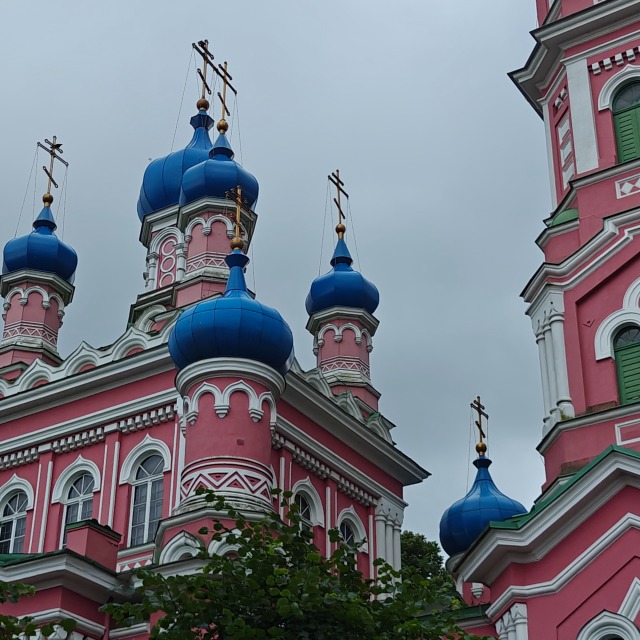
- Sillan toisella puolella (Pārdaugavan eli joen vasemman rannan puolella) sijaitseva värikäs kirkko on Pyhän Kolminaisuuden ortodoksikirkko (Rīgas Svētās Trīsvienības pareizticīgo baznīca). Arkkitehtuuri: Kirkko edustaa koristeellista venäläis-bysanttilaista tyyliä, ja monet vertaavat sen satumaista ulkonäköä jopa Disney-linnaan. Valmistumisvuosi: Nykyinen puinen ja muurattu kirkkorakennus valmistui vuonna 1895.
- Riian keskustan pohjoispuolella sijaitseva suuri ja vehreä Mežaparks (suomeksi Metsäpuisto).
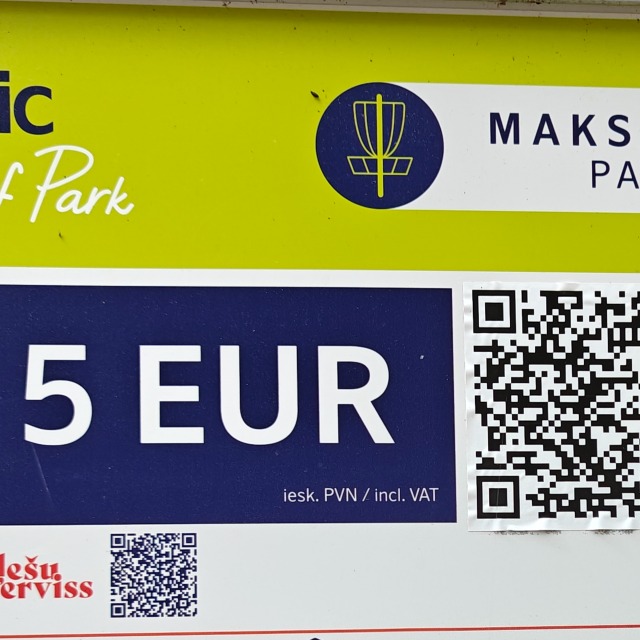
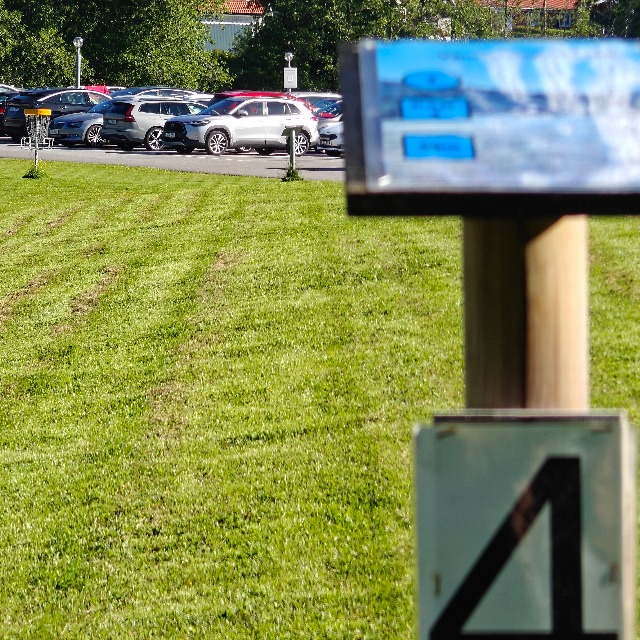
- Frisbeegolf rata: kyseessä oli mitä todennäköisimmin huijausyritys. Älä skannaa päälleliimattuja koodeja: Jos huomaat, että koodi on vino, koholla, reunoiltaan repsottava tai selkeästi tarralla korvattu, älä käytä sitä.
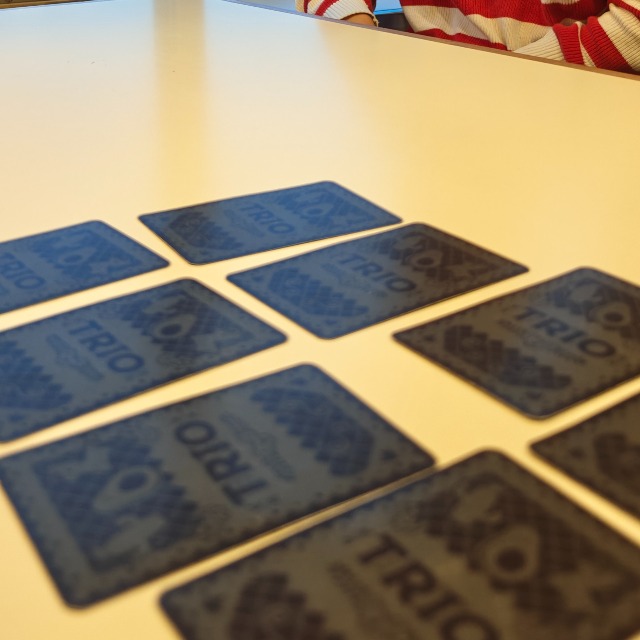
- Laivalla Trio
Stockholm story
The day before leaving Stockholm had been a busy one, with a good mix of nature, Finnish connections and a taste of Stockholm’s evening life.
During the daytime, we headed out to Tyresta National Park for a hike. After spending time in the city, it was a nice change of scenery to get out into the forest. Tyresta is known for its old-growth forest, rocky landscapes and peaceful trails, making it a great place to experience a completely different side of Stockholm. The trails took us through beautiful Nordic nature, and it was easy to forget that we were only a short distance from the city. Breakfast to Tyresta private sp.
After the hike (private sp), the day continued with a very different kind of Finnish connection. We visited the Embassy of Finland in Stockholm, which was followed by an Aalto Alumni meeting. It was interesting to meet other people with connections to Finland and Aalto University while being in Stockholm. These kinds of meetings always give a trip a little more depth — suddenly the city is not only about sightseeing, but also about people and connections.
Later in the evening, we headed to Östermalm. The atmosphere changed again as we moved from the more official events of the day into Stockholm’s evening scene.
We ended up at Oaken Inn, where something rather amusing happened. Some Swedish people there started asking whether I had visited Oaken Inn earlier.
It was one of those small, unexpected moments that make a travel day memorable. Somehow, there seemed to be a question about whether I had already been there before — even though, from my point of view, I was simply enjoying the evening and taking in the atmosphere.
After a long day that had started with hiking in the forest, continued with the Finnish Embassy and an Aalto Alumni gathering, and ended in Östermalm and back to the hotel near embassy. (private sp)
Notes:
- Turku to Viking Line, private sp
- On the roof of Stockholm’s Nordiska Museet, solar panels quietly turn sunlight into energy. The historic museum building combines old Nordic architecture with modern technology—its grand roof now helping to power the future while protecting the past.
- Åhlens story, private sp
- Avgift betalning erläggs i hotell-reception. 250SEK, but cheaper than in easypark area nearby
- Tyresta National Park is located about 20 kilometres south of Stockholm.
- Typesta slott, private sp
Travel map code
- Typesta slott, private sp
Updated
gsheets -package
The gsheet package is more lightweight but does not have a direct sheet = “name” argument. Instead, it can only fetch the first worksheet/tab from a Google Sheet. gsheet reads the worksheet/tab that corresponds to the gid in the URL. Each tab in a Google Sheet has a unique gid (you can see it in the URL when that tab is selected).
Stored to local: I:\Oma Drive\data\googlesheetRpaths
Code: Reteatteri/R
Old
# I:\Oma Drive\data\travelling / create_geojson_path_2025.R

library(httr)
library(jsonlite)
# install.packages('mapboxapi')
library(mapboxapi)
# install.packages("data.table")
library(data.table)

# Mapbox configuration
# token <- "p... created 2508"
token <- Sys.getenv("MAPBOX_PUBLIC_TOKEN")
# mapboxapi::mb_access_token(token, install = TRUE)

# .............................
create_route <- function(origin = NULL, destination = NULL, routetype = NULL, swap_coordinates = TRUE) {

  if (swap_coordinates) {
    origin <- c(origin[2], origin[1])
    destination <- c(destination[2], destination[1])
  }

  route <- mapboxapi::mb_directions(
    # access_token = token,
    origin = origin,
    destination = destination,
    exclude = 'ferry',
    profile = routetype,  # Options: "driving", "walking", "cycling"
    output = "sf"         # Return as sf object
  )

  return(route)
}
# .............................
routes <- list()

coord <- read.csv("I:/Oma Drive/data/travelling/2025munchen_travel_coordinates.txt")
routes <- list()
for (i in c(1:dim(coord)[1])) {
  print(paste0(i, ": ", coord$origin_lat[i], ", ", coord$origin_lon[i], " to ",
               coord$destination_lat[i], ", ", coord$destination_lon[i], " (", coord$routetype[i], ")"))

  routes[[i]] <- create_route(
    origin = c(coord$origin_lon[i],coord$origin_lat[i]),
    destination = c(coord$destination_lon[i],
                    coord$destination_lat[i]),
    routetype = coord$routetype[i],
    swap_coordinates = FALSE
  )
}

route_all <- data.table::rbindlist(routes)
sf::st_write(route_all, "D:/temp/routeXXXsaksa.geojson", driver = "GeoJSON", delete_dsn = TRUE)
# .............................
Polish
Matkalla hyödyllisiä lauseita (suomi + puola)
- Missä on rautatieasema? — Gdzie jest dworzec kolejowy?
- Missä on bussipysäkki? — Gdzie jest przystanek autobusowy?
- Kuinka paljon lippu maksaa? — Ile kosztuje bilet?
- Haluaisin ostaa lipun. — Chciałbym kupić bilet.
- Mihin tämä juna menee? — Dokąd jedzie ten pociąg?
- Onko tämä oikea bussi? — Czy to jest właściwy autobus?
- Minne tämä tie johtaa? — Dokąd prowadzi ta droga?
- Missä hotelli on? — Gdzie jest hotel?
- Onko vapaita huoneita? — Czy są wolne pokoje?
- Haluaisin varata huoneen. — Chciałbym zarezerwować pokój.
- Missä wc on? — Gdzie jest toaleta?
- Voitteko auttaa minua? — Czy może mi pan/pani pomóc?
- En puhu puolaa hyvin. — Nie mówię dobrze po polsku.
- Puhutteko englantia? — Czy mówi pan/pani po angielsku?
- Olen eksynyt. — Zgubiłem się.
- Kuinka pääsen keskustaan? — Jak dojadę do centrum?
- Kuinka kauan matka kestää? — Jak długo trwa podróż?
- Onko tämä lähellä? — Czy to jest blisko?
- Paljonko tämä maksaa? — Ile to kosztuje?
- Tarvitsen taksin. — Potrzebuję taksówki.
- Voinko saada kartan? — Czy mogę dostać mapę?
- Missä voin syödä? — Gdzie mogę zjeść?
- Suositteletteko ravintolaa? — Czy poleca pan/pani restaurację?
- Olen lomalla. — Jestem na wakacjach.
- Haluan mennä lentokentälle. — Chcę jechać na lotnisko.
- Onko tämä paikka turvallinen? — Czy to miejsce jest bezpieczne?
- Missä on apteekki? — Gdzie jest apteka?
- Tarvitsen apua. — Potrzebuję pomocy.
- Milloin bussi lähtee? — Kiedy odjeżdża autobus?
- Hyvää matkaa! — Miłej podróży!